Test, ODI and T20: Cricket's Three Formats Explained
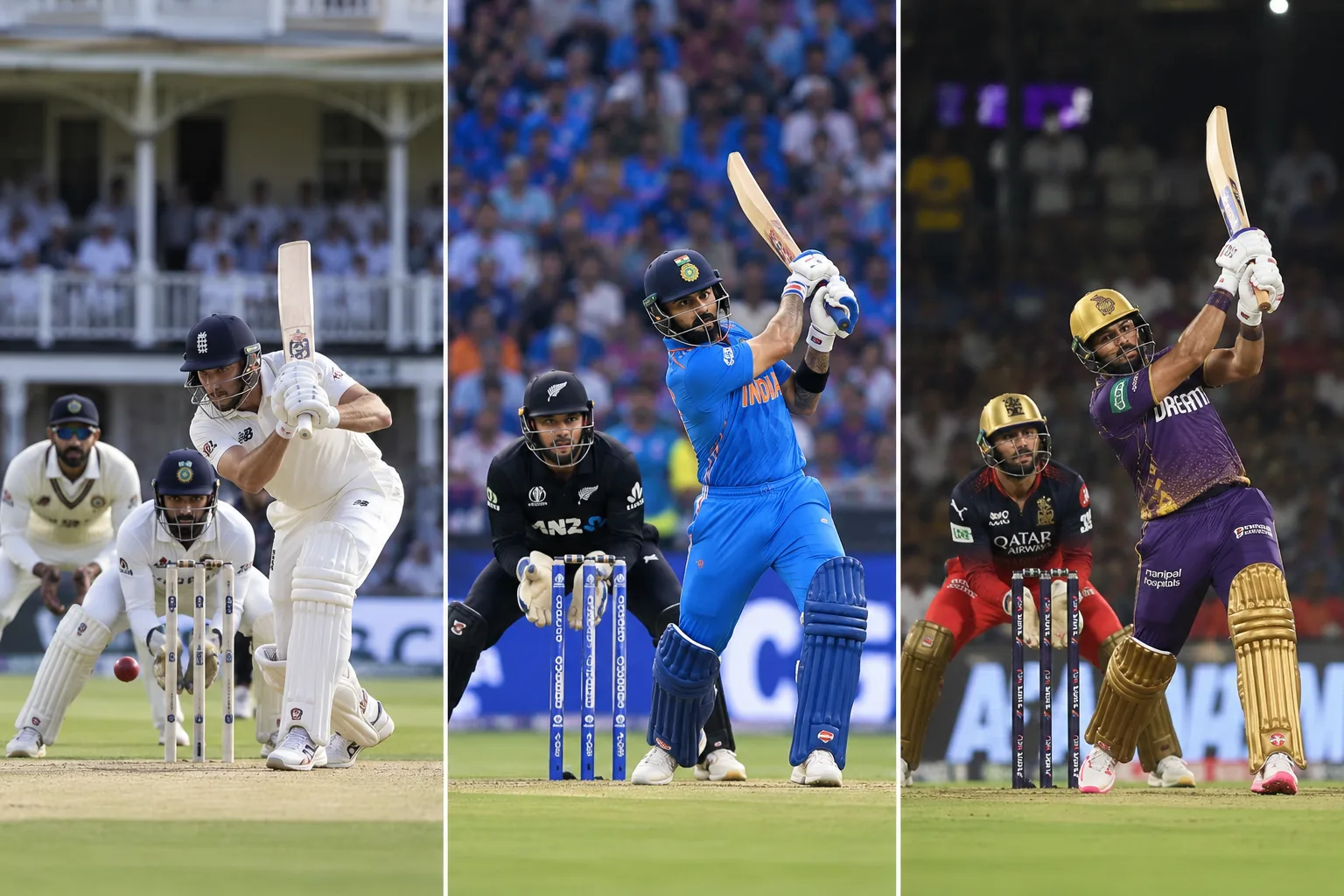
Ask ten cricket fans which version of the game is the "real" one and you'll get a proper argument. Someone will swear nothing beats five days of Test cricket; someone else will tell you a tight T20 finish is the only thing worth staying up for. Both are right, in their own way. Cricket is unusual among sports because it is played in completely different lengths, and each one feels like a slightly different game with its own rhythm and its own kind of hero.
If you are just getting into following cricket, all these names can be a bit much. Test, ODI, T20, and now even shorter versions turning up on TV. So let's slow down and go through the three main formats of cricket one by one, in plain language, so you know exactly what you are watching and why fans care so deeply about each of them.
Test cricket: the long, patient classic
Test cricket is the oldest and longest format, played over five days with two innings for each team. A red ball is used, and the game is traditionally played in whites. There is no scoreboard pressure to attack every ball, so a batter can leave deliveries, build slowly, and bat for hours. A good Test innings can last a full day or more.
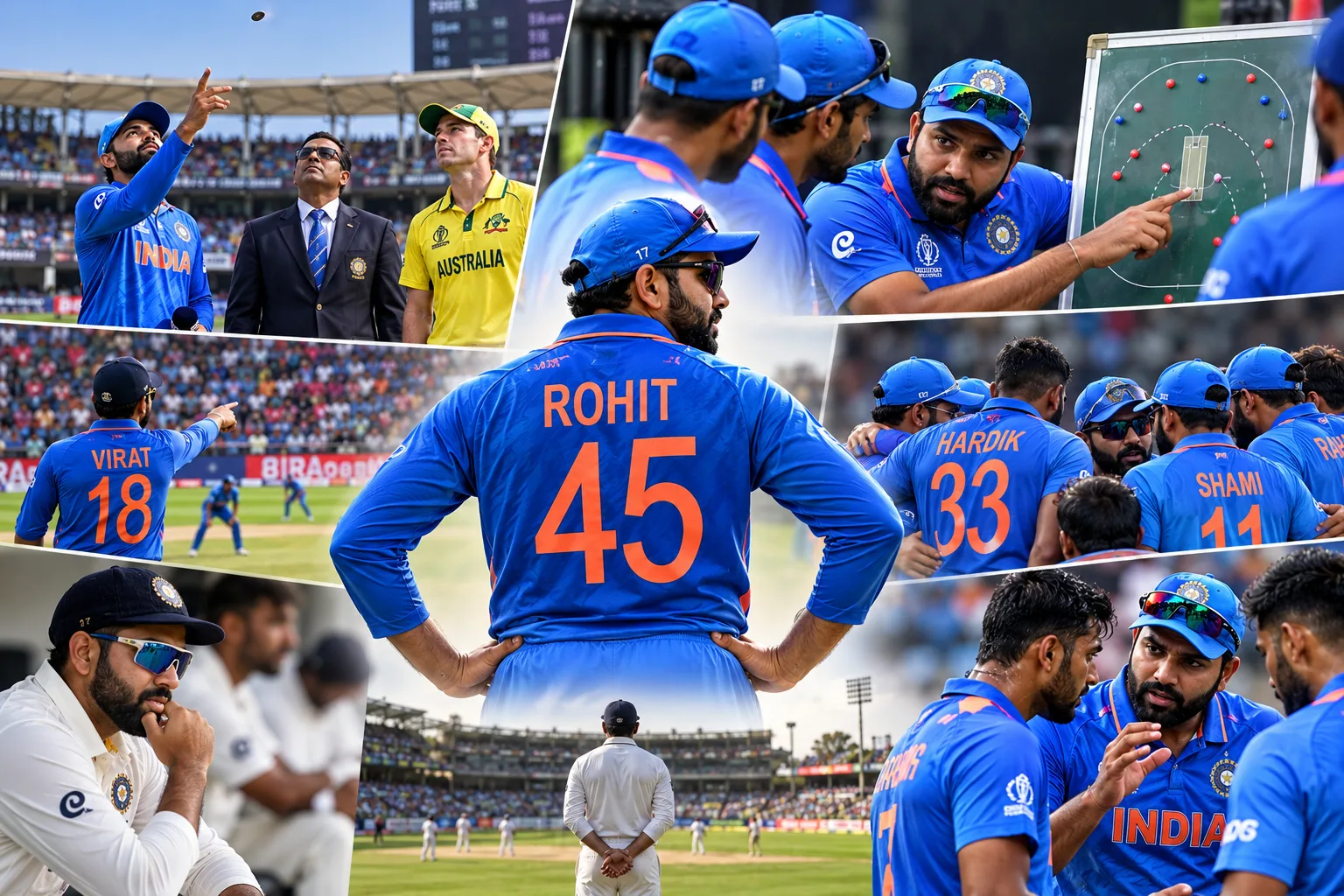
Because the match stretches across five days, conditions keep changing. A pitch that helps fast bowlers on the first morning can start assisting spinners by day four as it dries and cracks. Weather, light and the age of the ball all matter. This is why Test cricket rewards patience, concentration and technique more than any other format. Bowlers get long spells to set a batter up, and a captain's field placements and the timing of a declaration become genuine chess moves.
It can look slow if you are used to quick entertainment, but a hard-fought session where a batter survives against a swinging ball is as tense as sport gets.
ODI cricket: fifty overs, one full day
One Day Internationals, or ODIs, give each team 50 overs to bat, and the whole match finishes in a single day. A white ball is used, players wear coloured kit, and the side with more runs wins. It is simple to follow, and the fixed length makes it easy to plan an afternoon around.
The 50-over format sits nicely between the patience of Tests and the chaos of T20. Teams usually start briskly in the fielding powerplay, settle down through the middle overs to build a platform, then accelerate hard in the last ten. A chase adds its own drama, because the batting side always knows exactly how many runs are needed and how many balls are left. The Cricket World Cup, played in this format, remains one of the sport's biggest occasions.
T20 cricket: twenty overs of fireworks
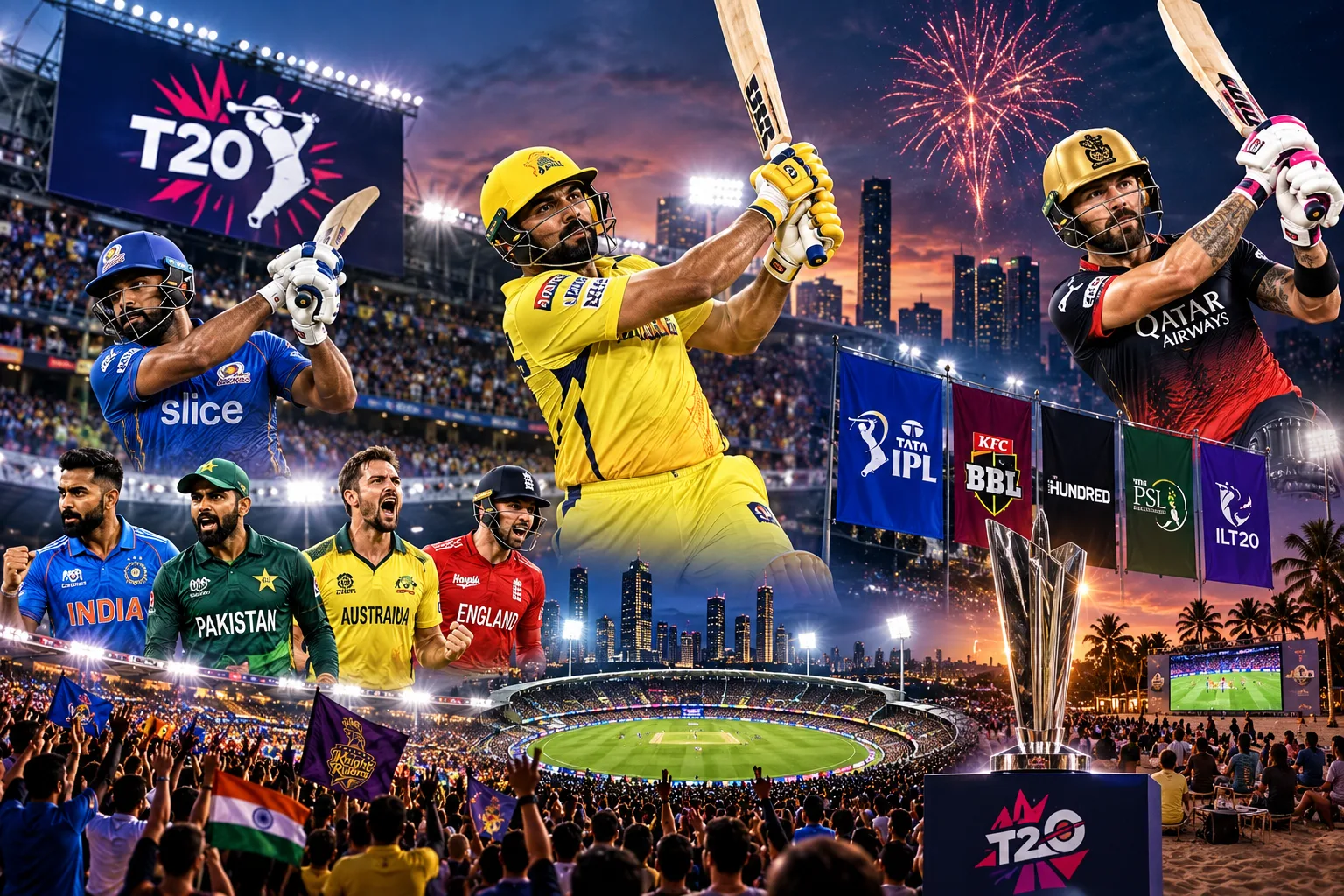
T20 is the shortest of the main three, with just 20 overs a side and a result in roughly three hours. It is built for excitement. Batters come out swinging, sixes fly into the crowd, and a single over can turn the whole match. Leagues like the IPL made this format hugely popular and pulled a brand new audience towards the game.
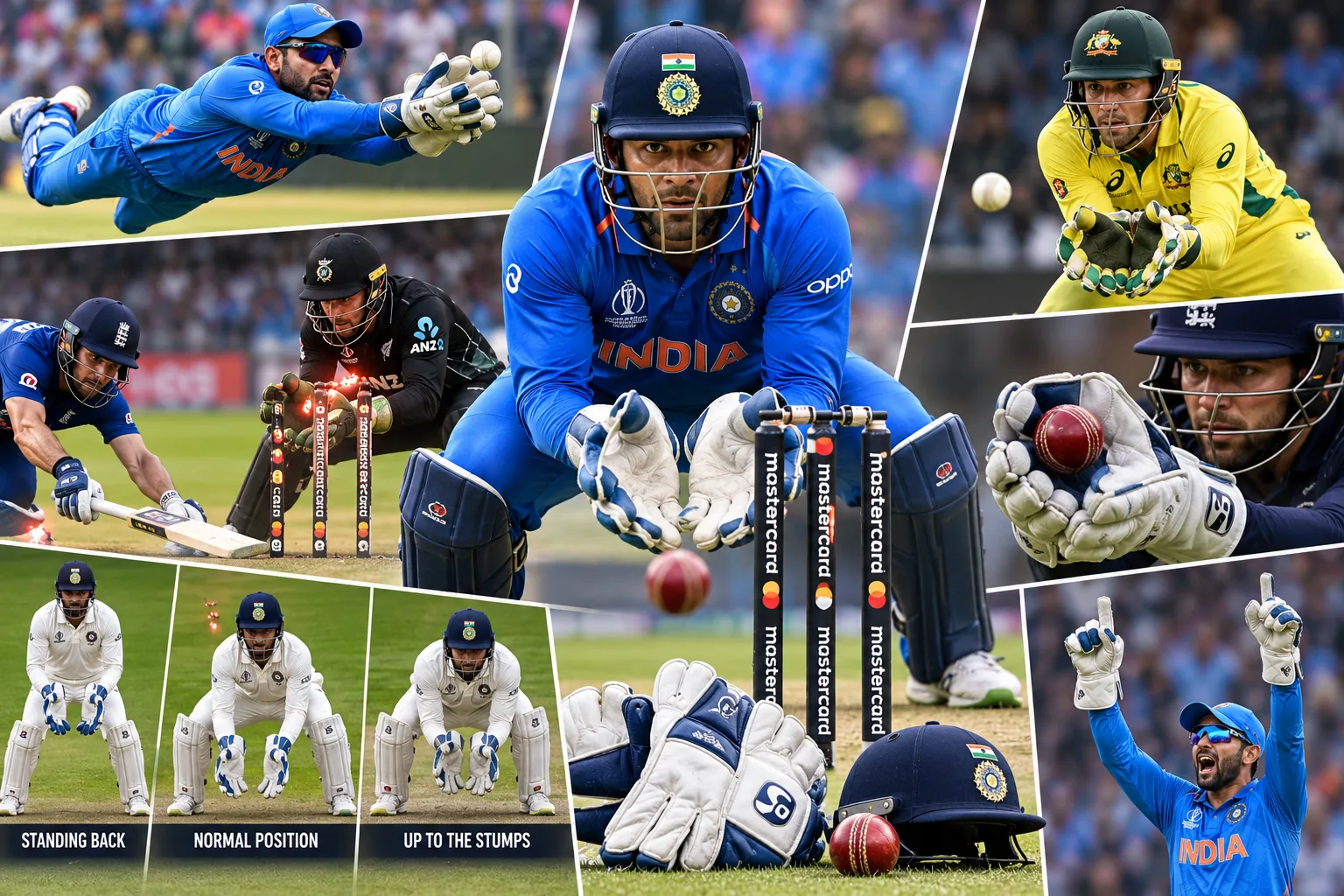
Don't mistake it for mindless hitting, though. T20 is full of clever strategy, just compressed. Captains hide their weaker bowlers, save a specialist for the final over, and shuffle the batting order to attack certain match-ups. Fielding has become athletic and genuinely decisive, because one saved boundary or sharp run-out can settle a close game. If you want to see how deeply this format reshaped modern cricket, from training methods to tactics, it is a story worth reading.
For anyone new to the sport, T20 is usually the easiest way in. It's fast, it's loud, and you don't need to follow every rule to enjoy a big six sailing over the ropes.
The newer, shorter formats
As fans asked for even quicker games, a few new formats arrived. These are not yet as established as the big three, but you may come across them:
- T10: Just ten overs a side, wrapped up in around 90 minutes. Pure hitting from the first ball.
- The Hundred: An English competition where each side faces 100 balls, with a few twists on the usual over structure to keep things snappy.
Think of these as experiments aimed at younger and casual audiences. Whether they settle in for the long run, only time will tell, but they show how the game keeps trying to reach more people.
So which format should you watch first?
There really is no wrong answer. It depends on your mood and how much time you have.
- Short on time or brand new to cricket? Start with T20. Three hours, plenty of action.
- Want a full day of ebb and flow? An ODI, especially a big tournament match, is ideal.
- Ready for the deepest, most testing version? Give Test cricket a few sessions and let it grow on you.
Many lifelong fans end up loving all three for different reasons. If you like keeping every fixture and live score in one place as you follow the different formats, a cricket id makes following along simple.
The last word
The three formats of cricket are really three moods of the same sport: Test cricket for patience and drama spread over days, ODIs for a balanced single-day contest, and T20 for quick, explosive fun. Once you understand what each one is trying to do, you stop comparing them and start enjoying them on their own terms. Pick the one that suits your evening, watch a full game from start to finish, and see which version quietly pulls you in.